
Helpful guides for small businesses
We write about everyday business problems, what you can try yourself and how to decide whether a change is worth the cost.
How to tell what credit card processing is costing you
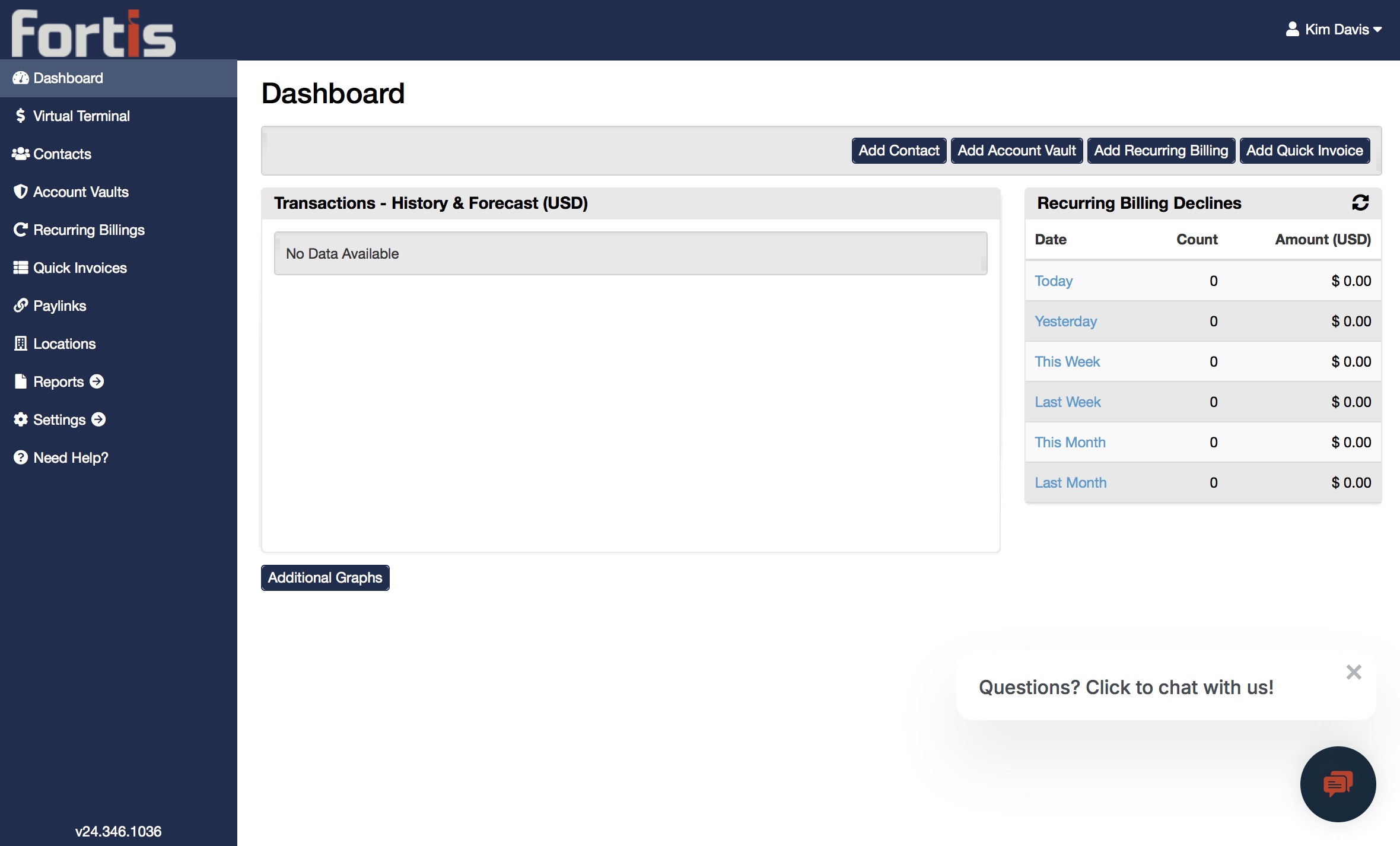
Start with three months of processing statements and record card sales, refunds and every fee. Divide total fees by processed sales using the same definition each month. Keep equipment rental and monthly charges visible so a quoted transaction rate does not hide the rest of the cost.

Why your website might not be bringing in customers
Open your website on a phone and try to find your phone number, service area and the answer to a common customer question. If a visitor cannot work out whether you offer what they need, a new design alone will not necessarily fix the problem.

How to stop entering the same information twice
Choose one task and write down each place where the same information gets entered. For example, a customer name may appear on an inquiry form, estimate, invoice and spreadsheet. Identify where the information first enters the business and who is responsible for correcting it.
How to spend less time chasing invoices
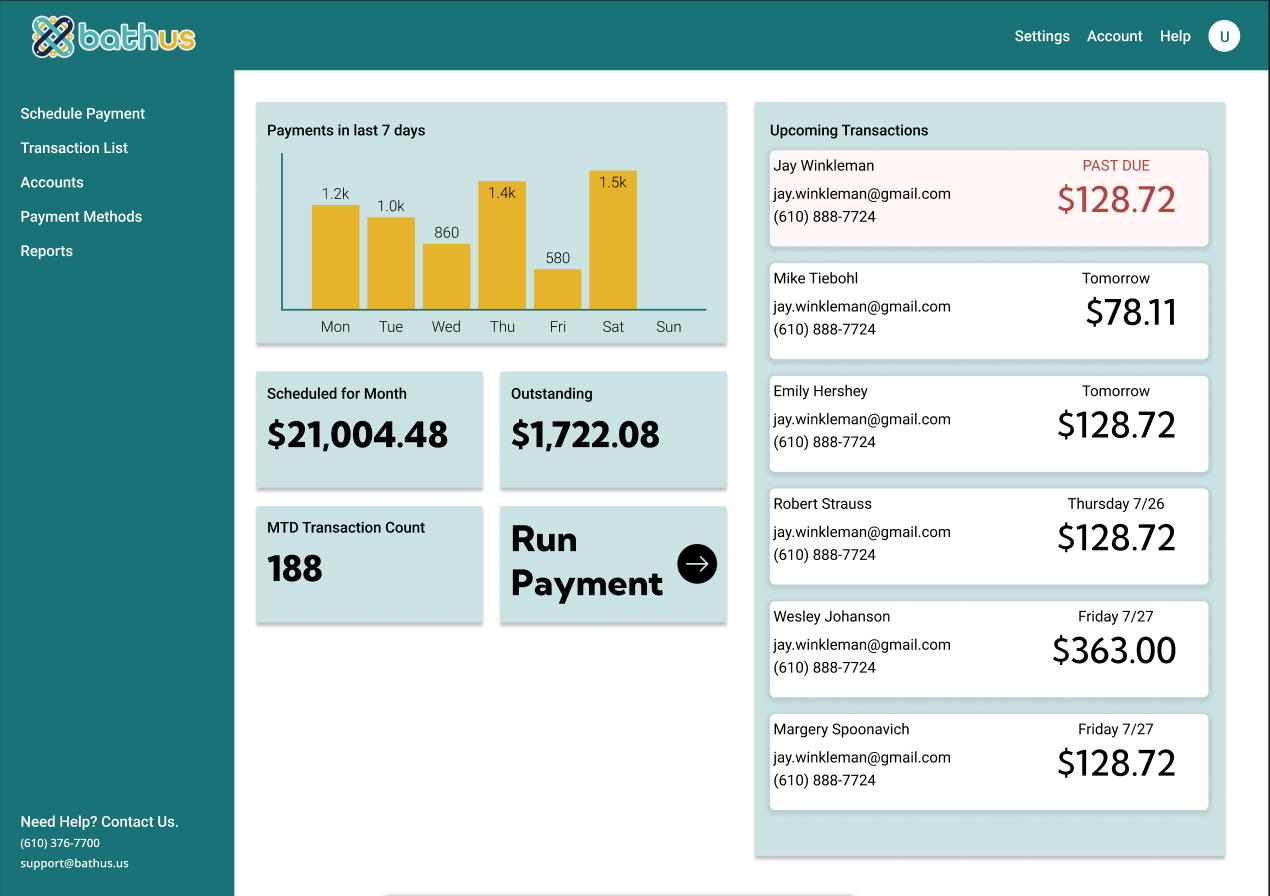
List outstanding invoices by due date and check whether customers received a clear bill, payment instructions and a due date. Resolve incorrect or disputed invoices before sending reminders. Make the payment method easy to find.
When a spreadsheet is enough for your business
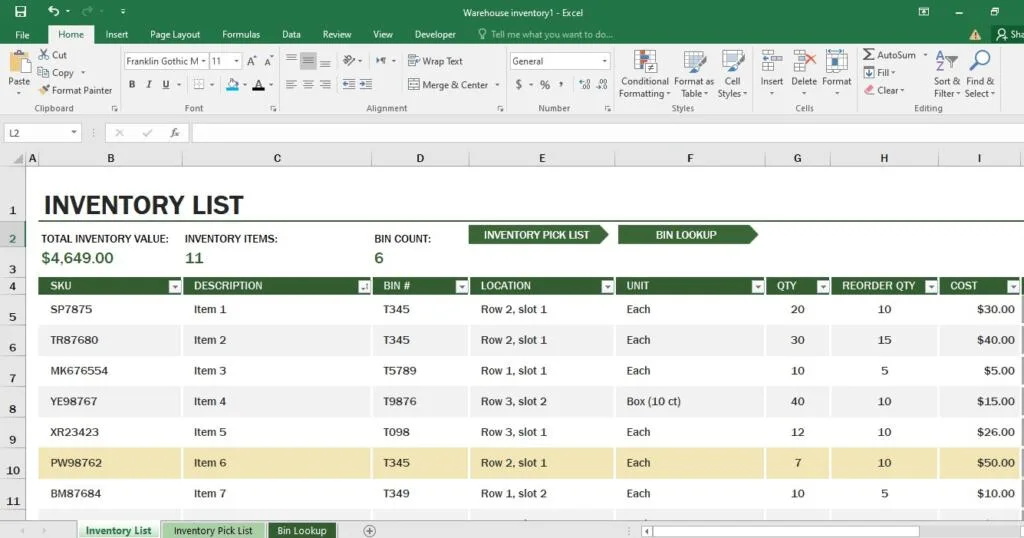
A spreadsheet can be a good solution when a small number of people maintain a manageable set of records. Start by separating information that is entered from calculations and reports. Give each record a consistent identifier so you can find it later.

What to check before changing software providers
Make a list of the information your business needs to keep, including customer records, attachments, order history and payment references. Ask the provider which exports are available and whether they include everything you need. Do this before giving notice.

How to reduce calls about order and job status
Record the questions customers call about most often. If most calls concern whether an order is ready or a job has been scheduled, first make sure your staff record that information consistently. A customer page cannot show accurate updates if the underlying records are out of date.
How to decide if your advertising is worth the money
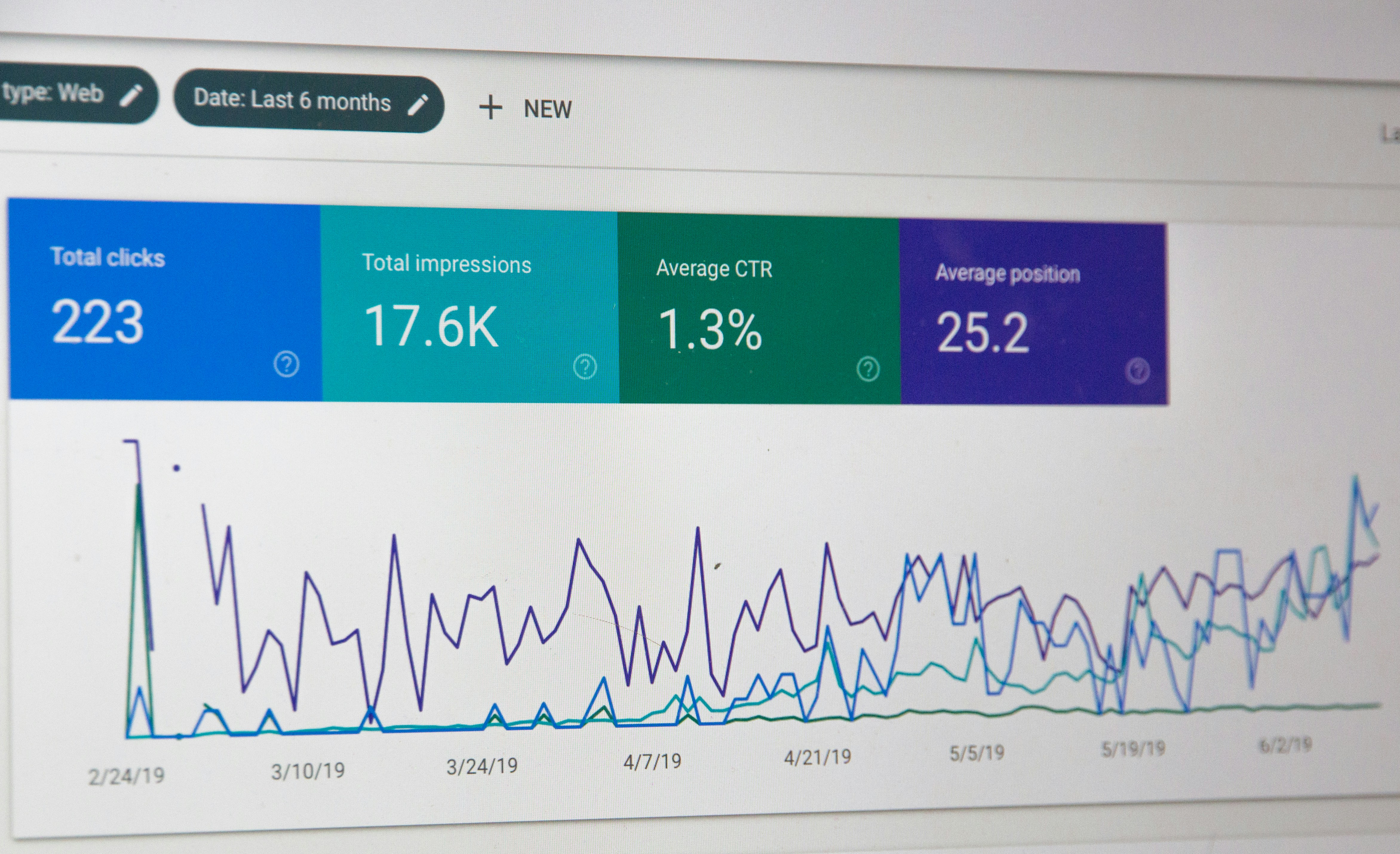
Write down advertising costs and the type of customer you want to reach. Ask customers how they found you, and record qualified inquiries separately from general website activity. A click or phone call is not always a sale.
What to plan before taking orders online
Start with the products customers actually want to buy online. Decide whether each item can be shipped, collected or delivered, and how availability will be kept current. Include the time needed to pack an order or confirm pickup.

How to make training less dependent on one person
List the tasks that new employees need to perform in their first week. Ask the person who normally teaches each task to write the steps and identify common mistakes. Short instructions with a clear owner are easier to keep current than a large manual nobody opens.

Who actually owns your business website?
Find out who controls your domain registration, hosting account and website files. A domain is the address customers type to reach you. It is separate from the service that stores and serves your website.
How to get a more reliable picture of your inventory
Start with a count of the items you sell and establish a consistent way to identify each product. Record incoming stock, sales, returns and damage rather than relying on sales alone. For fresh food, also distinguish expected availability from stock physically on hand.
Guides for your industry

What to ask before buying an IDX website
Before paying for a listing website, confirm who holds the Bright MLS license, which feed is permitted, and who pays recurring data charges. Ask whether your own domain, inquiries and non-MLS content can be exported.

What belongs on a medical practice website?
Start by listing questions patients ask before an appointment: insurance accepted, office hours, accessibility, referral requirements and what to bring. Publish clear answers without requesting clinical details in a public contact form.

How to organize health insurance renewals
List each employer group, renewal date, carrier, responsible employee and the next action. Separate public contact details from member-level information and document who may access each record.

How to find where a manufacturing job loses money
Choose several completed work orders and gather quoted material, actual usage, setup time, run time and rework. Keep units consistent and distinguish scrap from usable remnants.

How to get trucking invoices out sooner
Map the paperwork from pickup to proof of delivery and billing. Give every load a consistent identifier and determine who verifies signed delivery documents and accessorial charges.

How to organize food inventory by lot
Start with an item, supplier, lot identifier, received quantity and unit of measure. Record expiration or best-before information where relevant and preserve the link when goods are repacked or allocated.

How to get retail inventory counts under control
Choose a manageable product category and reconcile its SKU list against physical stock. Separate variants and packs, and decide how returns, damages and transfers affect available quantity.

How to make professional client intake easier
Write down what your office needs before accepting an engagement and what should wait until after acceptance. Limit public forms to essential contact and scheduling details; avoid soliciting confidential case or financial information unnecessarily.

How to track food waste and menu margins
Choose several high-volume menu items and record ingredient cost, usable yield, portion size and packaging. Review supplier price changes and update the recipe cost when portions change.